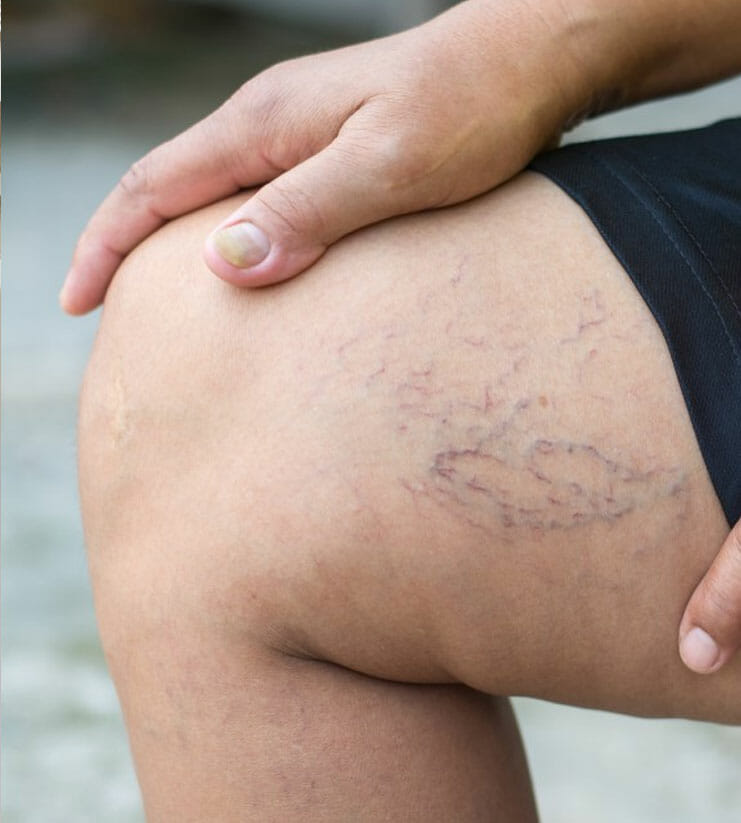
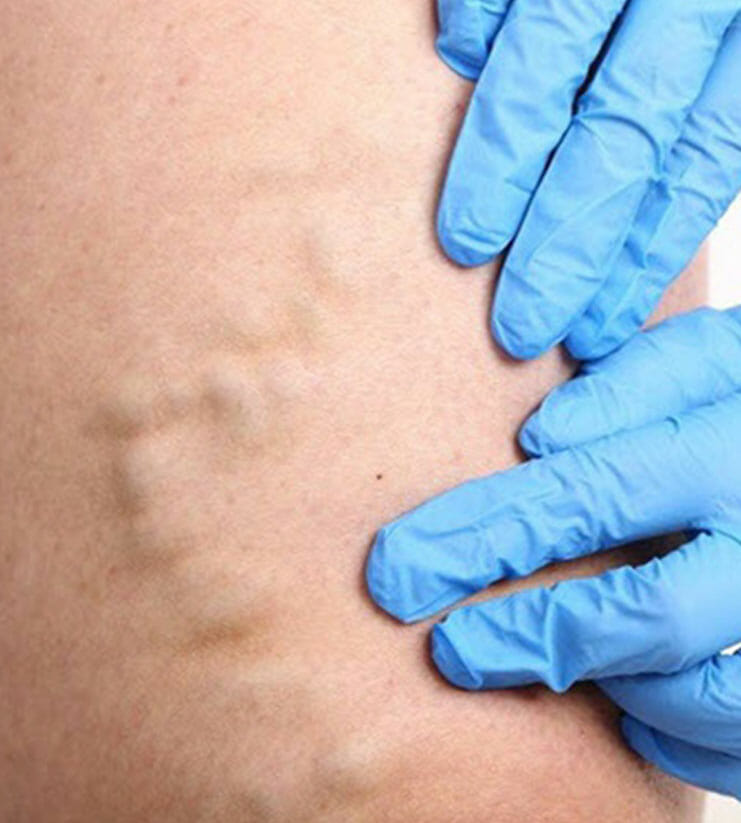
Living with varicose veins means more than just visible, twisted veins under your skin.

You might feel heaviness in your legs after standing all day, notice swelling by evening, or avoid wearing shorts because you’re self-conscious. These symptoms happen when weak vein walls and damaged valves let blood pool instead of flowing properly.

The good news? Today’s treatments range from simple lifestyle changes to gentle, minimally invasive procedures that can ease your discomfort and help you feel confident again.

What are varicose veins and what causes them?

The main cause of varicose veins is increased blood pressure inside the veins.

This pressure weakens the walls of the veins, and as they stretch, the tiny one-way valves inside them can stop working properly. Normally, these valves open to let blood flow toward your heart and then close to stop it from flowing backward.

When the valves are damaged, blood can leak backward and pool in the vein, a condition known as venous reflux. This collected blood makes the vein swell, twist, and bulge, creating the visible varicose veins you see on the skin’s surface.

This process is often a sign of an underlying issue called chronic venous insufficiency.

Where do varicose veins usually appear?

Varicose veins most often develop on the lower half of the body, particularly on the calves, ankles, and feet.

This is because the veins in your lower body have the toughest job of pushing blood all the way back up to your heart, against gravity.

The high pressure from standing and walking puts extra strain on these veins. Over time, this constant pressure can weaken the vein walls and valves in the legs, leading to the formation of swollen varicose veins.

While less common, they can sometimes appear in other areas, such as the pelvic region.

Who is most at risk of developing varicose veins?

While anyone can develop varicose veins, certain factors significantly increase your risk. Key risk factors include:

  • Family History: A genetic predisposition is one of the strongest predictors.
  • Age: As you get older, your veins naturally lose elasticity, making them more prone to stretching and valve failure.
  • Hormonal Changes: Women are more likely to be affected due to hormonal shifts during puberty, pregnancy, and menopause, which can relax vein walls.
  • Obesity: Excess weight adds significant pressure to your veins.
  • Lifestyle: Living a sedentary lifestyle or having a job that requires long periods of standing can impair circulation.
  • Other Factors: Smoking and a history of trauma to the legs can also contribute to their development.

Common symptoms of varicose veins

Woman putting on compression stockings in bedroom to prevent varicose veins. Swelling and leg pain, medical hosiery for circulation and vein health

The symptoms of varicose veins can range from purely cosmetic to physically uncomfortable. The most recognizable sign is a gnarled, blue or purple vein that looks like a cord just beneath the skin.

Other common symptoms include:

  • An aching, heavy, or tired feeling in the legs.
  • Throbbing, burning, or cramping sensations.
  • Mild swelling in the feet or ankles.
  • Itching around one or more of your veins.
  • Changes in skin color or texture near the affected vein.

These symptoms often feel worse during warm weather or after standing for an extended period, as heat can cause veins to widen and increase blood pooling.

When to see a doctor

While often a cosmetic issue, you should see a healthcare provider if you develop more serious symptoms. Schedule an appointment if you experience:

  • Persistent or severe pain in your legs.
  • Sudden and significant leg swelling.
  • Skin discoloration or thickening, especially around the ankles.
  • Skin ulcers or sores that won’t heal.

Untreated varicose veins can sometimes lead to significant complications. These can include painful sores near the ankle, which are caused by long-term fluid buildup. Another concern is bleeding, as veins close to the skin can burst from a minor injury.

More seriously, varicose veins can increase your risk for blood clots, such as:

  • Superficial thrombophlebitis: A clot in a surface vein that causes redness, warmth, and pain.
  • Deep Vein Thrombosis (DVT): A dangerous clot in a deeper vein that can cause serious health problems if it travels to the lungs.

Treatment

sclerotherapy and ambulatory phlebectomy

Treatments for varicose veins range from simple at-home lifestyle changes to highly effective, minimally invasive medical procedures. Your varicose vein doctor will often first recommend conservative approaches to manage your symptoms.

This typically starts with wearing compression stockings, which are special elastic socks that gently squeeze your legs to improve blood flow. Other helpful lifestyle changes include:

  • Activities like walking or swimming boost circulation.
  • Maintaining a healthy weight reduces pressure on your veins.
  • Raising your legs above heart level when resting helps blood flow back to the heart.
  • Take breaks to move around if you sit or stand for long periods.

If these methods do not provide enough relief or if your condition is more advanced, your doctor may suggest a medical procedure to get rid of varicose veins for good. Modern treatments are safe, require little downtime, and offer excellent results for both symptom relief and cosmetic improvement.

Nonsurgical treatments

Modern nonsurgical treatments for varicose veins are designed to close off or remove damaged veins with minimal invasion and quick recovery. The most common procedures are ablation therapy and sclerotherapy.

Ablation therapy uses energy, such as lasers or radiofrequency waves, to heat and seal a problematic vein from the inside. A thin catheter is inserted into the vein to deliver the energy, causing the vein to collapse and close. Over time, the body absorbs the treated vein. This is a highly effective option for larger varicose veins.

Sclerotherapy

Sclerotherapy is a medical procedure where a special solution is injected directly into a varicose or spider vein. This solution irritates the lining of the vein, causing it to scar, collapse, and eventually fade from view as the body reabsorbs it.

This treatment is highly effective for smaller varicose veins and spider veins that may be too twisted to treat with a catheter.

Ambulatory phlebectomy

Ambulatory phlebectomy is a minimally invasive surgical technique used to remove varicose veins that are close to the surface of the skin. The procedure involves making tiny, slit-like incisions in the skin through which the diseased vein is removed section by section.

This treatment is ideal for large, bulging veins that might not respond as well to other treatments. Because the incisions are so small, they typically do not require stitches and leave minimal to no scarring.

Is vein stripping surgery still common?

No, traditional vein stripping surgery is much less common today. It has largely been replaced by the less invasive procedures mentioned above, like ablation and phlebectomy.

Vein stripping is a surgical procedure that involves making incisions in the groin and calf to tie off and remove the entire length of a diseased vein. While it is effective, it requires general anesthesia and has a longer, more painful recovery period compared to modern treatments

Less invasive options are now preferred because they offer similar results with fewer risks and a much faster return to normal activities.

What to expect after treatment

middle aged couples going for a walk in the forest

After modern varicose vein treatment, you can typically expect a quick recovery with minimal discomfort and a significant improvement in your symptoms. Most procedures are performed in an outpatient setting, allowing you to go home the same day.

Your doctor will likely recommend that you wear compression stockings for a period of time to aid healing, reduce swelling, and prevent new veins from forming. It’s also important to walk regularly to promote good circulation.

While you may experience some temporary bruising or swelling, most patients are able to resume their normal daily activities within a day or two. Following your doctor’s post-treatment instructions is key to a successful outcome.

Do varicose veins go away permanently after treatment?

The specific veins that are treated are removed or closed off permanently and will not come back. However, treatment does not prevent new varicose veins from developing in the future.

This is because treatment addresses the existing damaged veins, not the underlying tendency you may have to develop them. To help prevent new veins, it is important to maintain a healthy lifestyle and habits. This includes:

  • Exercising regularly to promote healthy circulation.
  • Maintaining a healthy weight to reduce pressure on your veins.
  • Wearing compression stockings if recommended by your doctor.

Regular check-ups with your vein specialist can also help manage your vein health long-term.

Minimally Invasive Varicose Veins Treatment in Prescott, AZ

Varicose veins are a common condition that can cause both cosmetic concerns and uncomfortable physical symptoms like pain, swelling, and aching.

Fortunately, you don’t have to live with the discomfort. From lifestyle adjustments to advanced medical procedures, there are many safe and effective ways to manage and treat varicose veins.

If you are tired of the pain or appearance of varicose veins, our specialists can help. We offer advanced, minimally invasive treatments like ambulatory phlebectomy and sclerotherapy right here in Prescott, AZ.

Contact us today to schedule a consultation and take the first step toward healthier, happier legs.

Frequently asked questions

What is the main cause of varicose veins?

The primary cause is increased blood pressure inside the veins. This pressure weakens vein walls and damages the one-way valves, causing blood to flow backward and pool. This underlying condition is known as chronic venous insufficiency.

What are the most common symptoms?

Common symptoms include visible blue or purple twisted veins, a heavy or aching feeling in the legs, throbbing, cramping, mild swelling in the ankles or feet, and itching around the affected veins.

When should I be concerned about my varicose veins?

You should see a doctor if you experience persistent pain, significant leg swelling, skin discoloration, or sores that won’t heal. Untreated varicose veins can lead to complications like bleeding from a burst varicose vein or an increased risk for blood clots like Deep Vein Thrombosis (DVT).

What are the modern treatments for varicose veins?

Modern, minimally invasive treatments have largely replaced traditional surgery. Common procedures include ablation therapy (using laser or radiofrequency energy), sclerotherapy for varicose veins, and ambulatory phlebectomy, which physically removes surface veins through tiny incisions.

What is sclerotherapy?

Sclerotherapy is a procedure where a special solution is injected into a damaged vein. This solution irritates the vein lining, causing it to scar, collapse, and be reabsorbed by the body. It is particularly effective for smaller varicose veins and spider veins.

What is recovery like after varicose vein treatment?

Recovery is typically fast, with most patients resuming normal activities within a day or two. You can expect some temporary bruising or swelling, and your doctor will likely recommend wearing compression stockings and walking regularly to promote healing. For more details, see what to expect after varicose vein treatment.

Do varicose veins come back after being treated?

The specific veins that are treated are permanently closed off or removed and will not return. However, treatment does not prevent new varicose veins from developing. Maintaining a healthy lifestyle and following up with your vein specialist can help manage your long-term vein health.